
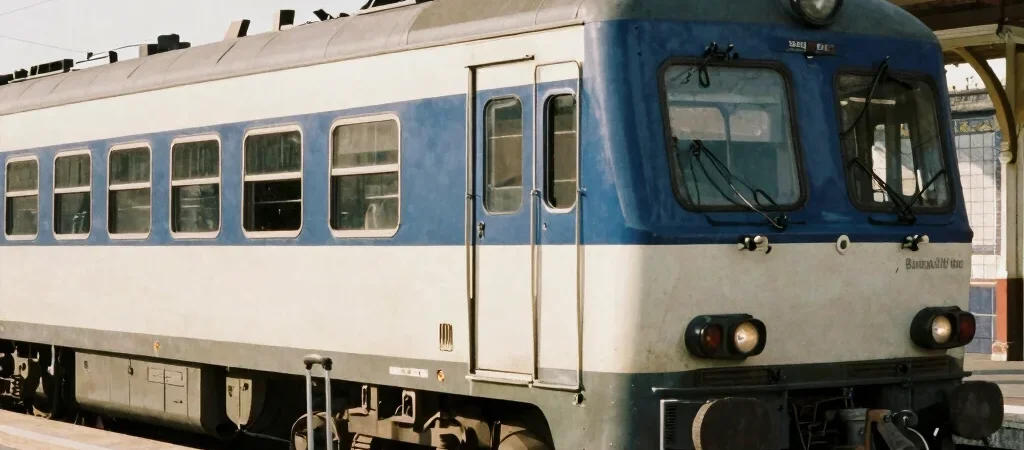
Lisbon and Porto fit naturally into one Portugal trip, but the train leg works best when you plan it as part of the day rather than a line between two dots. Your departure station, arrival station, and luggage plan all affect how much of that day you actually get to use.
Check stations before booking
Lisbon departures can use different stations, including Oriente and Santa Apolónia, so check the station shown for your specific train. In Porto, many long-distance services arrive at Campanhã; you may need a further metro or taxi connection to reach your accommodation or the central São Bento area.
Compare the available service times on the official Comboios de Portugal site before settling on a departure. Timetables and ticket conditions can change, and a train that looks convenient may not line up with check-in, a museum reservation, or your preferred arrival time.
Choose the day you want
An early departure can leave time for a first walk along Porto’s riverfront, while a later one gives you another unhurried Lisbon morning. Think about the whole travel day, including the time it takes to reach the station and get from Campanhã to your stay.
If your plans are fixed or you are traveling on a busy weekend, check ticket availability early and read the conditions before paying. If you prefer flexibility, compare the fare rules rather than assuming every ticket can be changed on the same terms.
Keep the transfer simple
Save your ticket details and station names somewhere easy to reach, and leave enough time for the route to the platform. With luggage, a direct ride to the station can be worth the cost and hassle avoided, especially if your Lisbon stay is on a steep street.
Once you arrive, resist the urge to schedule a full sightseeing day around the train. Check your bags, get oriented, and choose one first stop close to where you are staying. That gives the Lisbon–Porto transition a little room to breathe—and makes the first evening in Porto feel like the beginning of a visit, not another connection.